
Top 10 Cost Drivers in New Home Construction
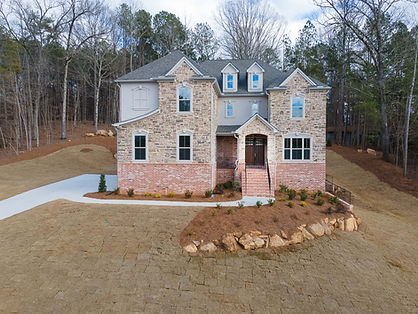
Comprehensive Guide to Budgeting for New Home Construction
Building a home is a multifaceted project with various factors influencing the overall cost. We’ve put together this article to show you ten critical features that can significantly impact your budget. Understanding these elements will help you plan effectively and make informed decisions in establishing your construction budget.
Site Work
Site work includes land clearing, excavation, grading, and utility installation—essential steps before construction begins. Costs vary based on lot conditions: flat, cleared or lightly wooded lots with nearby utilities are less expensive, while steep, rocky, or heavily wooded lots without utilities cost more. Drainage and erosion control also impact the budget. To help predict your site costs we recommend starting with the review of a topographic survey. Not only will this give you a feel for the site costs, it will later be used for the creation of the site plan—a scaled blueprint used to define site work and meet local building permit requirements.
Foundation
The foundation type—slab, crawl space, or basement—has a strong impact on building costs. Slabs are the most affordable, requiring fewer materials and labor. Crawl spaces and basements provide extra storage or living space but cost more due to added excavation, waterproofing, sTRUCTURAL REINFORCEMENT and materials. Basements are the most expensive, combining both concrete walls and concrete floors.
Home Design & Framing
A home’s layout, style, and size drive construction complexity and material needs. Intricate designs—custom shapes, large windows, complex roofs, or multiple levels—require specialized labor and materials, raising costs. Simpler designs with straightforward geometry are more budget-friendly, reducing labor time and material waste. Thoughtful design choices help balance aesthetics with budget.

Windows & Doors
The type, size, and number of windows and doors greatly affect costs. Standard options like single-hung vinyl windows and steel or fiberglass doors are budget-friendly and easy to install. Custom features—SUCH AS BAY, CASEMENT, OR FLOOR TO CEILING WINDOWS, ornate entry doors, oversized or folding styles—require premium materials, specialized labor, and complex fabrication, significantly increasing expenses.
Exterior Finishes
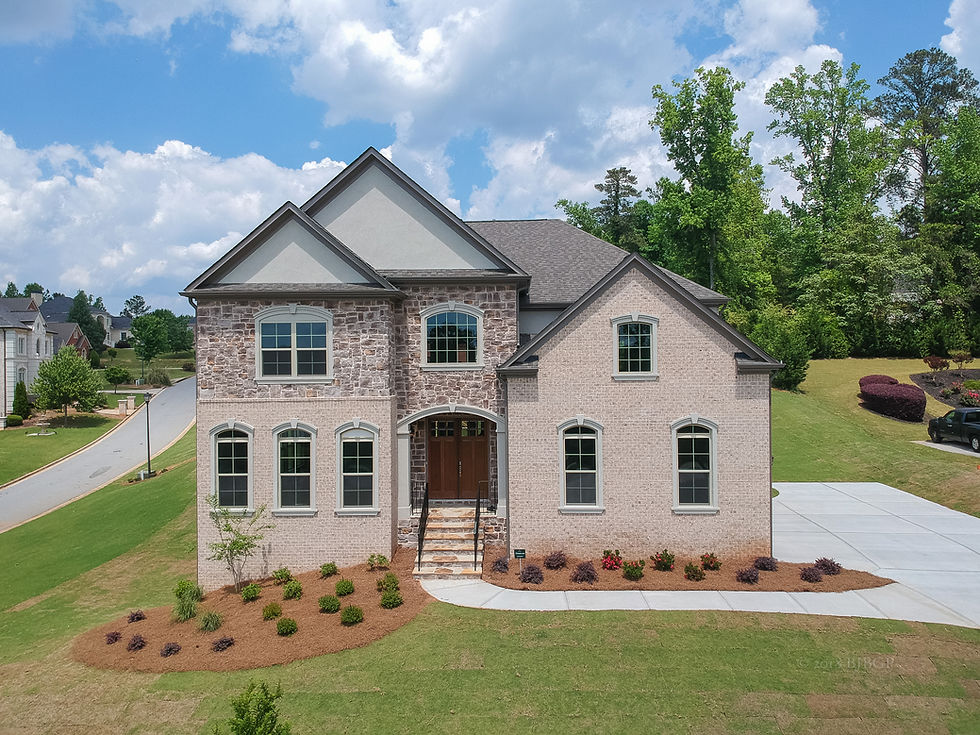
Exterior finishes—brick, stone, stucco, fiber cement, or vinyl—vary in cost, durability, and installation needs. Brick and stone cost more upfront but offer lasting durability and low maintenance. Vinyl is the least expensive but less visually appealing and more flammable, which may raise insurance costs. Fiber Cement products have risen in popularity for those looking for a craftsman style look due to its durability, weather, pest, and fire reistance when compared to natural wood products.
Interior Trim Work
Interior trim—baseboards, crown molding, casings, beams, and wainscoting—enhances a home’s look but adds cost. Premium materials and intricate designs require skilled labor and more time, making detailed features like ornate molding, cedar beams, or decorative wainscoting pricier than simpler options or bare walls.

Cabinets
Cabinets come in partial overlay, full overlay, or inset styles. Partial overlay is the most affordable and widely available, while full overlay offers a sleek, modern look at a higher cost. Inset cabinets are the most expensive, with doors and drawers flush within the frame for a high-end, timeless style. Mass-produced cabinets cost less, while custom-built options are significantly pricier.
Countertops
Countertop materials range widely in cost and impact the home’s budget. Granite, marble, and quartz offer durability and luxury but require skilled FABRICATION AND installation, raising expenses. Laminate and cultured marble are more affordable but less elegant and durable. Custom shapes, integrated sinks, thickness, and detailed edges also increase costs.
Flooring
Flooring costs vary by material, installation, and maintenance. Hardwood, stone, and tile offer luxury and durability at higher prices, while laminate, vinyl, and carpet are more affordable but less lasting. Choosing flooring requires balancing aesthetics, longevity, and budget, as it impacts both construction costs and home value.
Landscaping
Landscaping costs vary by scope and complexity, from budget-friendly sod or shrub beds to high-end hardscapes like patios, retaining walls, and water features. Seed and straw are less expensive but may not meet local requirements for occupancy. Hardscapes cost more upfront but require less upkeep, while softscapes need ongoing maintenance. Quality landscaping enhances curb appeal, functionality, and even property value, making it important to balance aesthetics with budget.

Comments